Learning Grounds:
Renée Turner and I first coined the name Learning Grounds after a series of generative conversations around collective learning, growth, and care. Renée Turner, artist, senior lecturer, writer, gardener and member of the Volkstuinvereniging SNV allotment garden in Rotterdam West, and I, Michelle Teran, artist, researcher, educator, gardener, and member of Volkstuinvereniging de Zandweg allotment garden in Rotterdam South, have often exchanged experiences about how we are collectively learning, dreaming, imagining, and cultivating care-informed growing and cultural practices through and with our green spaces. This party of two has since then expanded into an informal distributed network of artists and artist collectives within Rotterdam who are working around their allotment gardens and green spaces. We count Garage School of Medicine (Santiago Pinyol and Kari Robertson), Kate Price, and the artist collective SPIN (Carla Arcos, Juliette Douet, Katayun Taraporevala) among this network of Rotterdam-based artists, gardeners, and researchers. The SPIN collective also locates their activities in Michelle’s garden at Volkstuinvereniging de Zandweg. We bring together our collective interests in soil health and biodiversity, fermentation and food preservation, food and medicine, foraging practices, regenerative and sustenance farming, community advocacy for green space policy, and histories of resistance within a genealogy of artistic and social practice, embodying a paradigm of artistic and agricultural practice based on care.
As cultural producers, the network is guided by an etymology of culture: the cultivation of ideas, customs, and social behaviour, as well as the cultivation of bacteria and plants (Katz, 2012). Therefore, both food growing and cultural practices carry an ethos of life-affirming infrastructures of connection and of humble actions and practices of humility, which together, as a patchwork of activities, can lead to a bigger impact. We also acknowledge that research and knowledge-making are communal, and that the practices cultivated on the learning grounds are always collective. On the grounds, one encounters informal and formal conduits of knowledge, intimate and emergent, where the methodology is to share the experience. Here, we bridge these networks by facilitating networks of sharing. The combined practices interweave critical inquiry with embodied practices that are rooted in social justice work. With a critique of limitless growth, separateness, and simplified, solutionist thinking, the work evades purity politics and fundamentalism. We are bringing in complex relations to soil, health, and contamination, and addressing the imperfections and complexities of living within the long durée. In our work, we do not aspire to solve; our situated and grounded experiments are messy and uncertain, and we emphasise learning and practicing where we stand in ways that connect, not separate.
By offering something very tangible and hands-on by working around our green patches and garden plots, we can cultivate and offer counter-proposals to infrastructures of separation, and through scalable acts cultivate prefigurative ways of living and relating, cultivate shifts of understanding what culture is, and how artistic and cultural practices can be catalysts to social transformation and social change.
A Few Notes on my Learning Grounds:
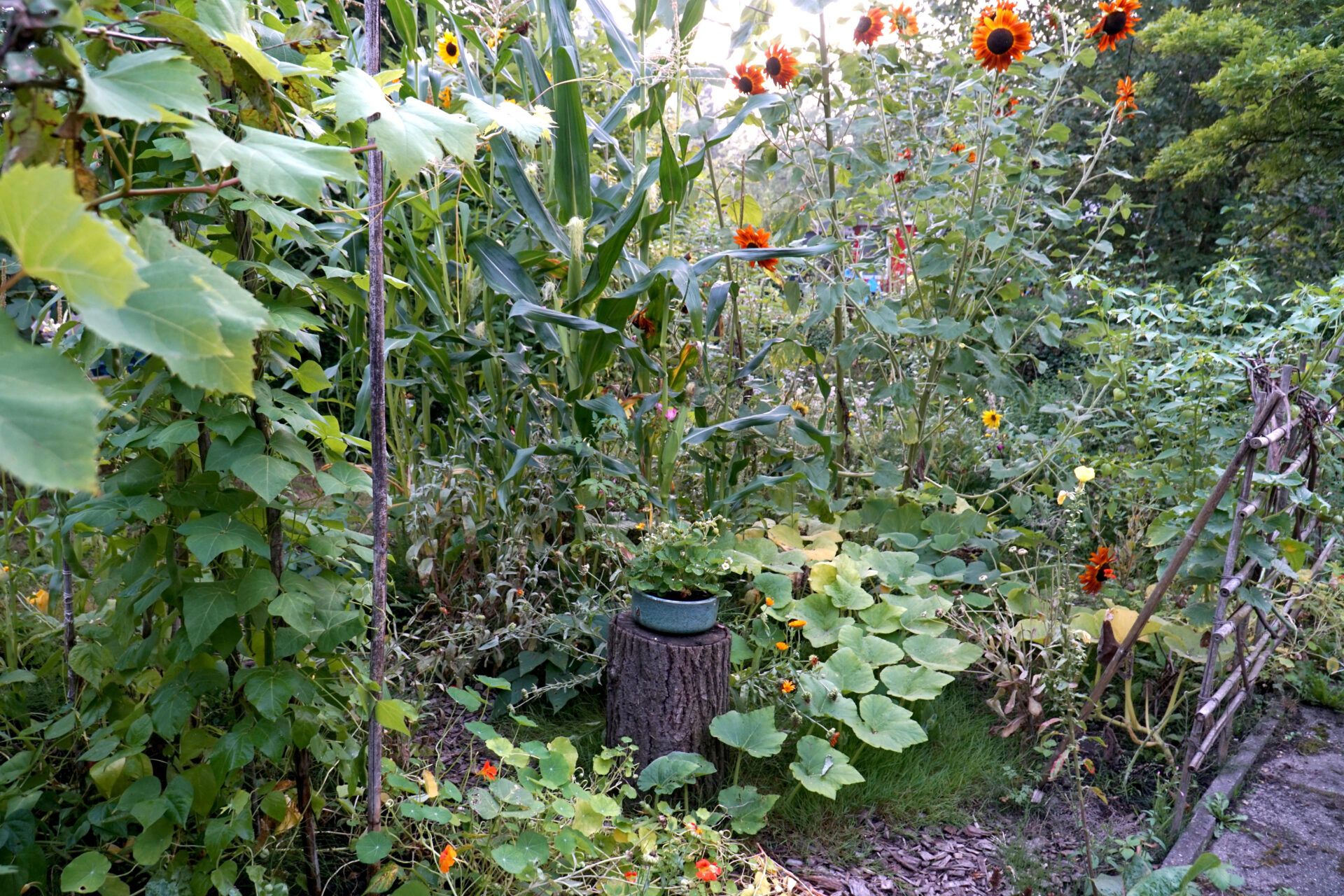
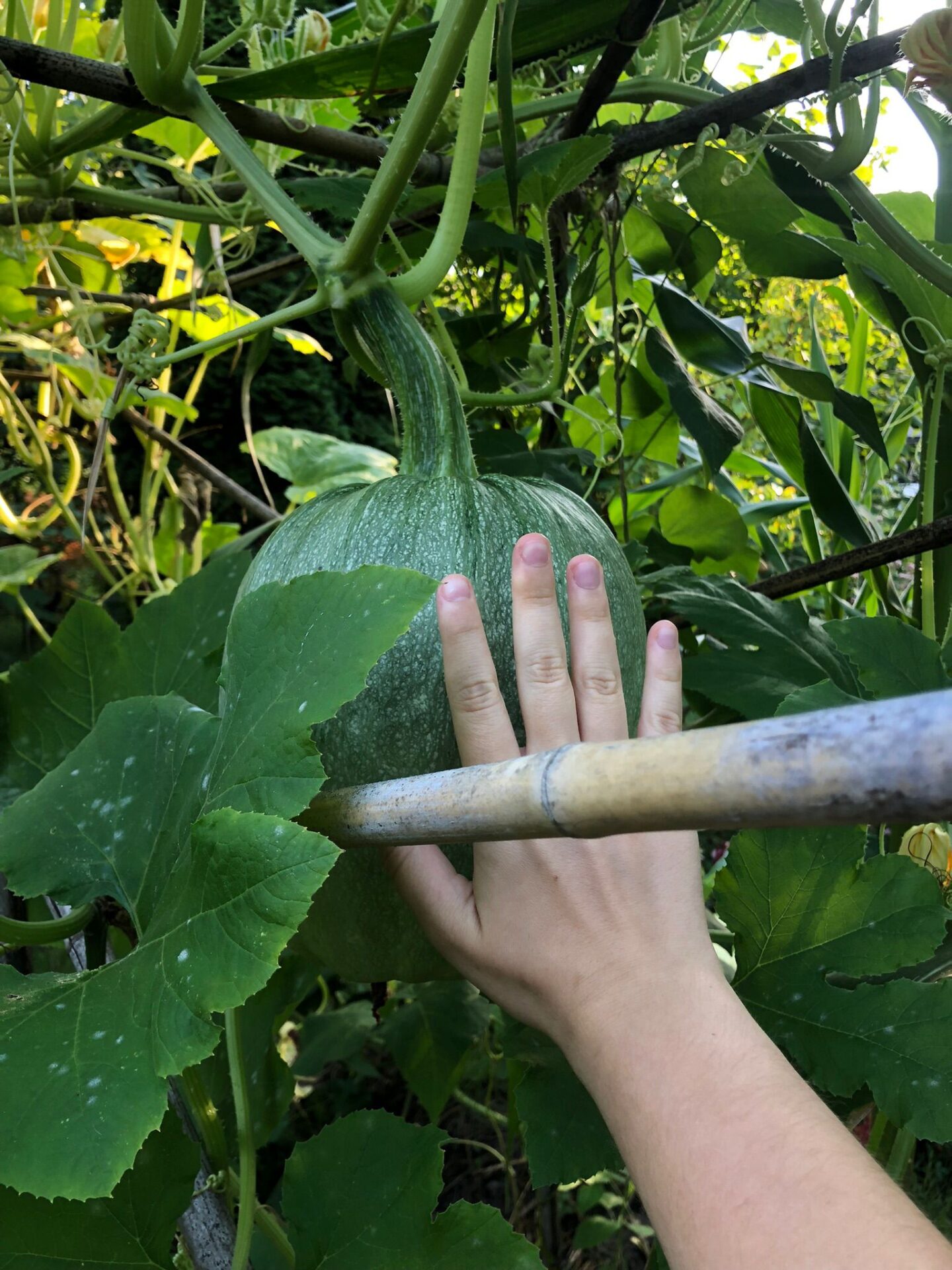
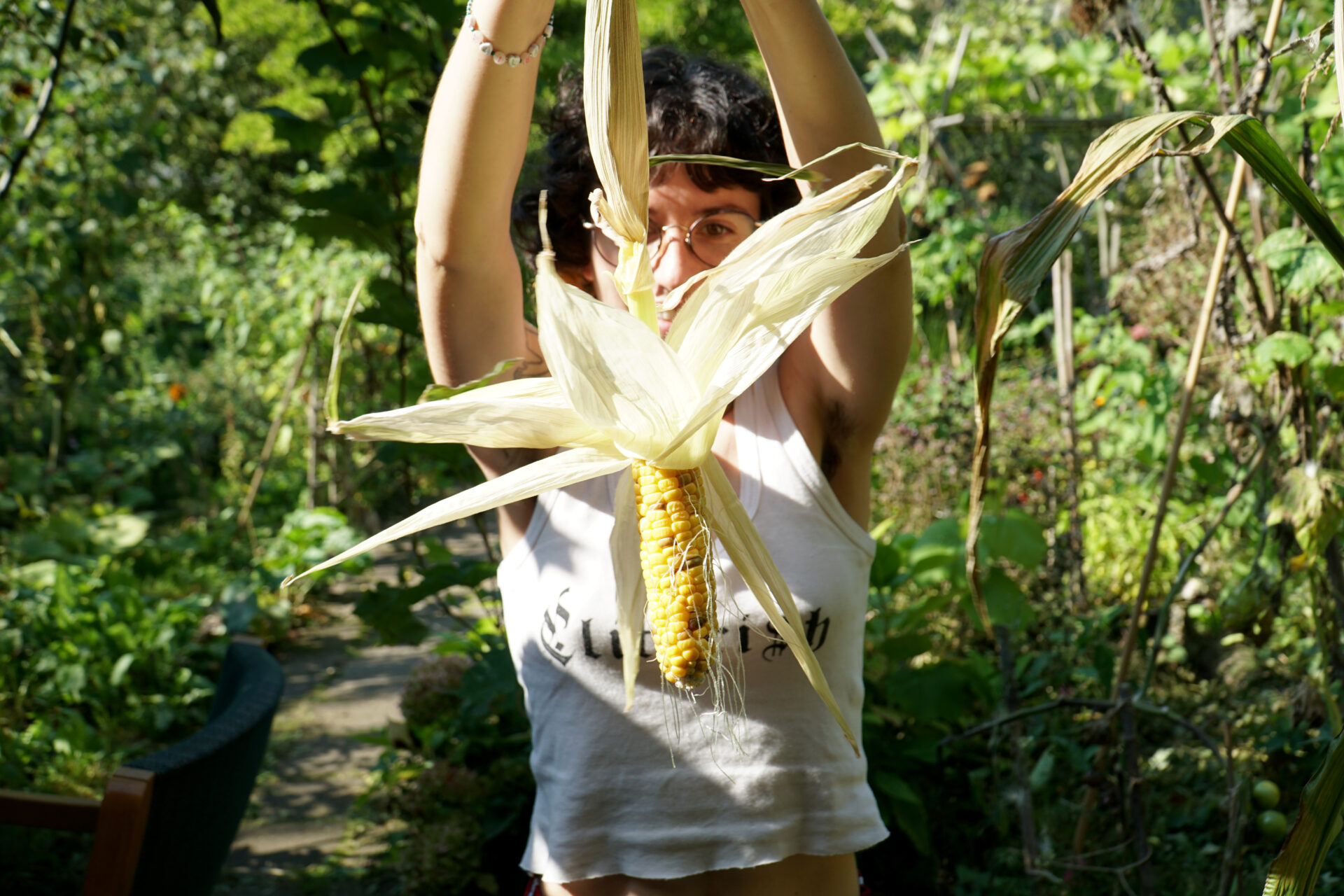
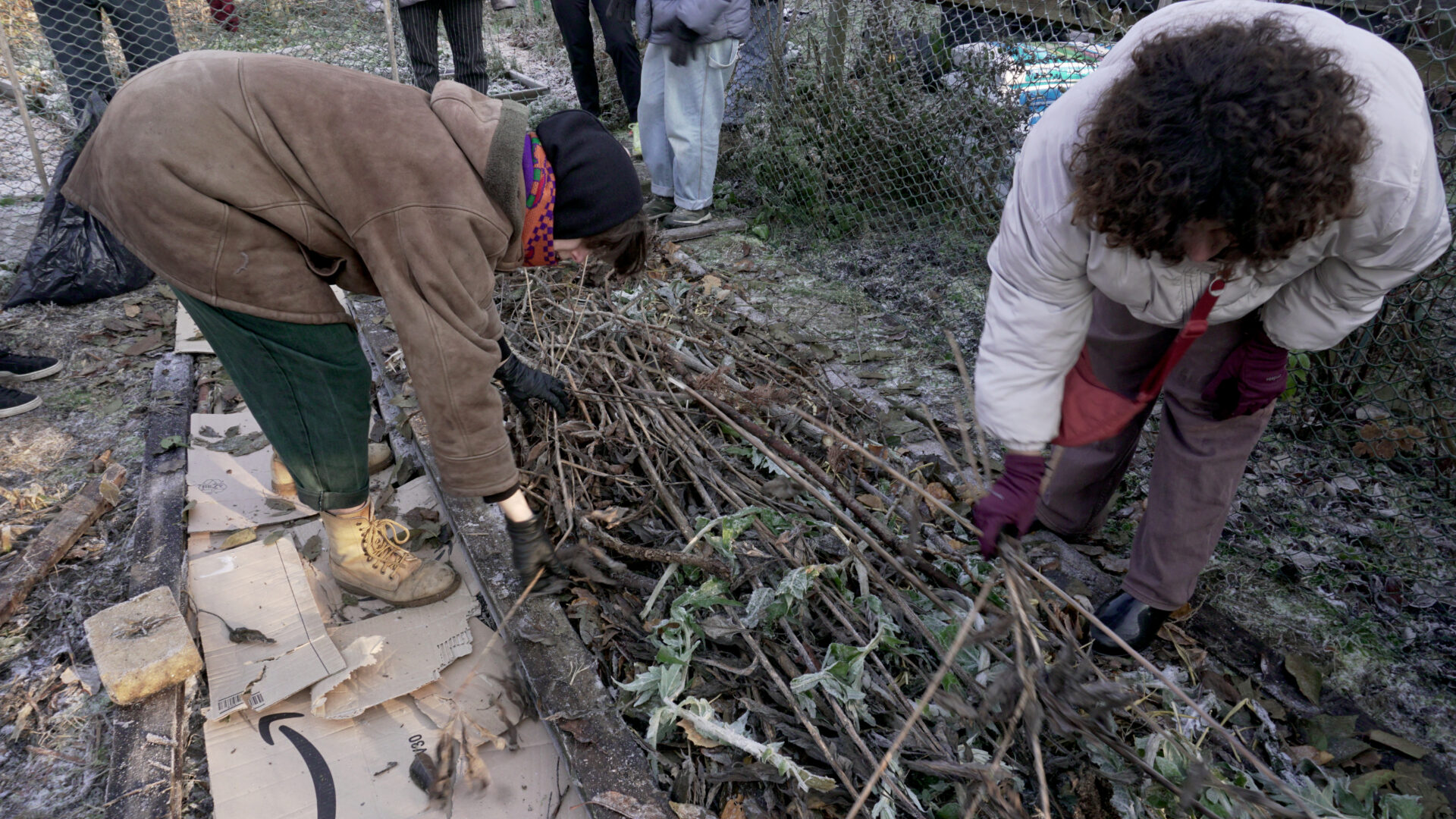
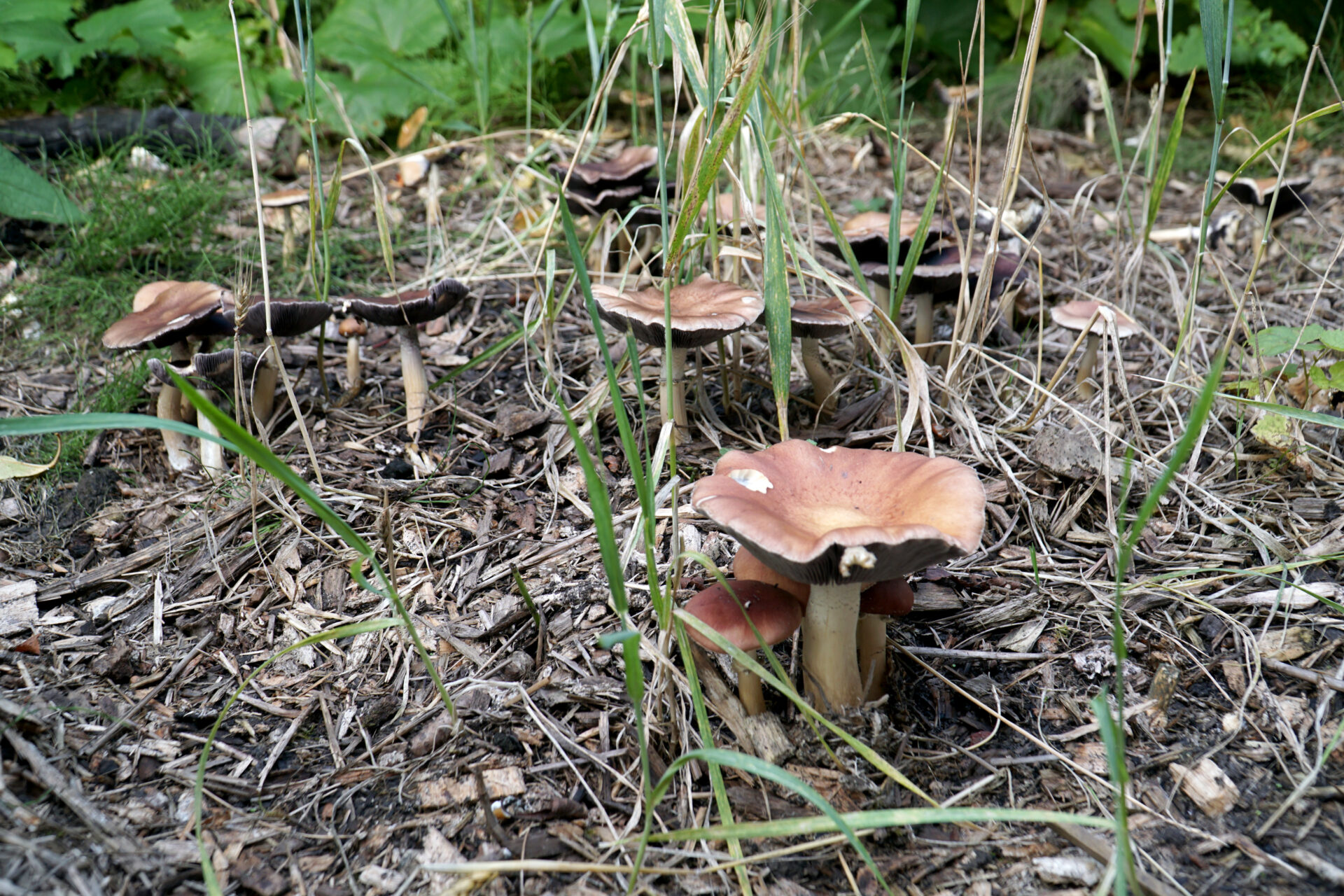
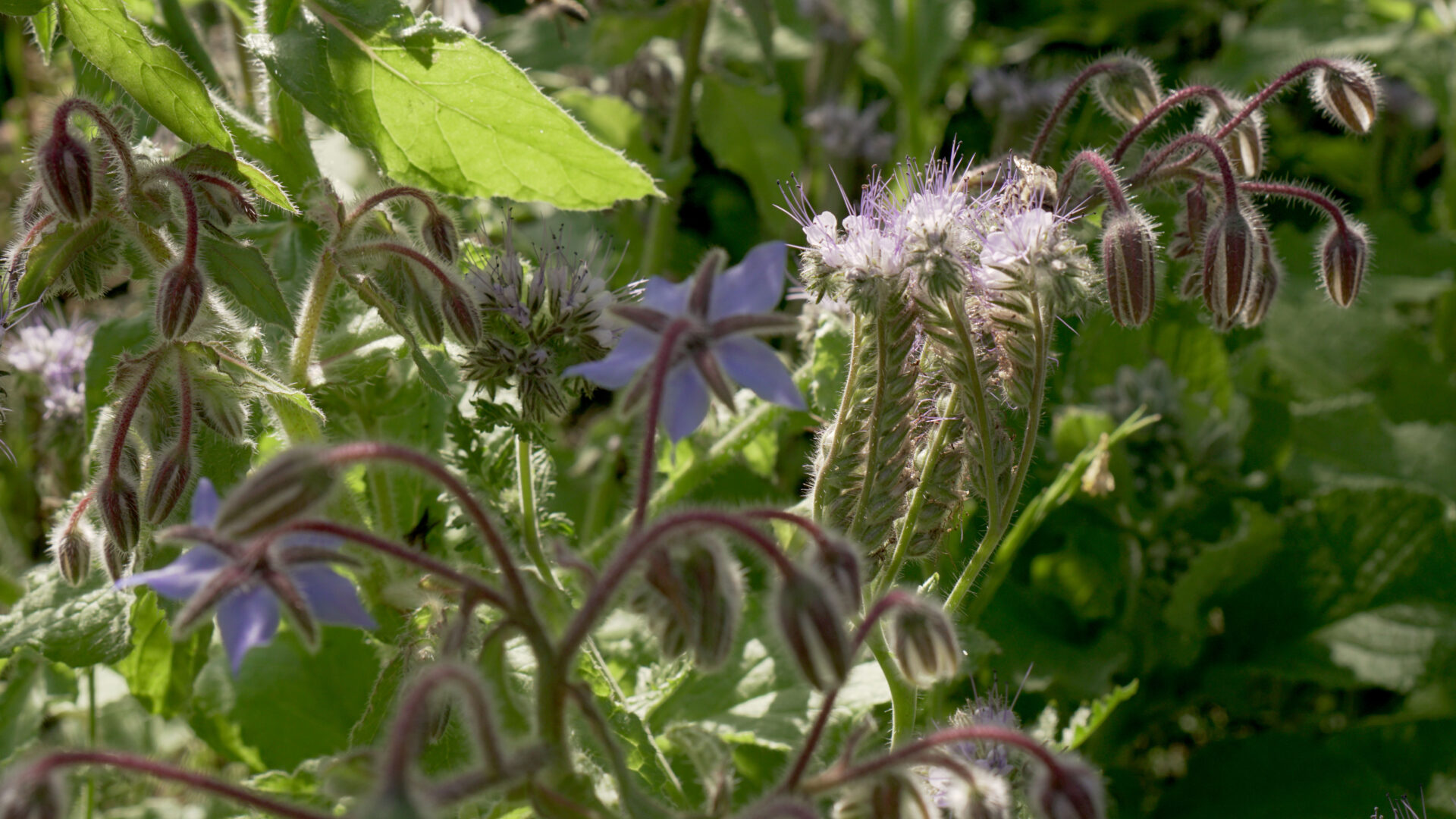
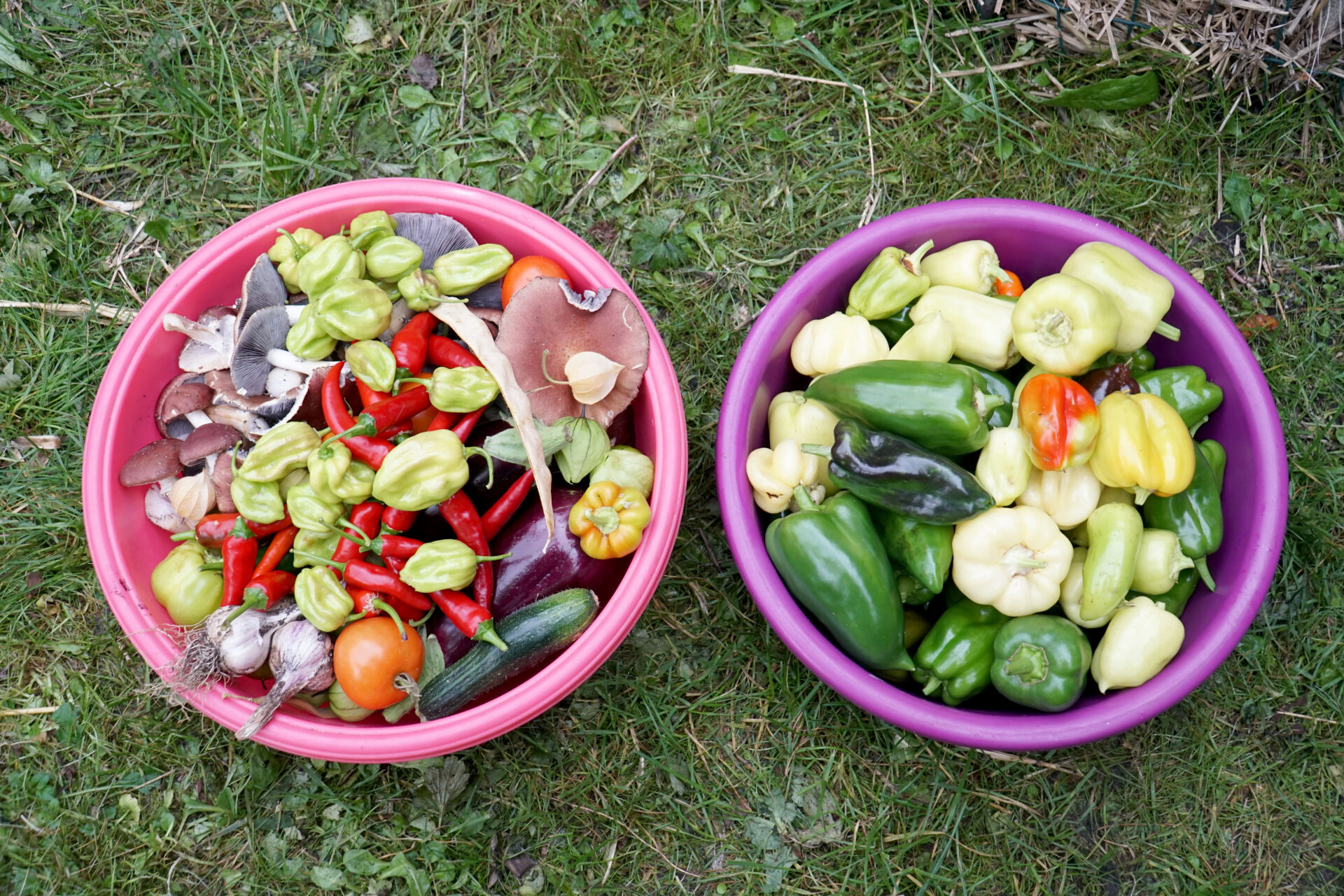
In early 2022, deep into the pandemic, I took on a large garden in Rotterdam South. At that time, I was working as a researcher and educator at an art and design academy in Rotterdam, focusing on critical social practices in art and art education. My reasons for taking on a garden were threefold: I wanted to grow food, experiment with regenerative agricultural methods, and meet some of my local neighbours and gardeners. When I arrived, the garden’s soil was mostly clay, light brown, compact, infertile, with very little life. When it rained, large puddles would form and remain on the clay soil’s surface. Over the years, I have worked to regenerate the soil through compost, mulching, cover crops, nitrogen-fixing plants, natural farming amendments and other regenerative farming methods. Now the soil is a deep black colour, aerated, dense with organic matter, and teeming with life. I have also grown healthy food in abundance, and become part of a caring and generous network of allotment gardeners.
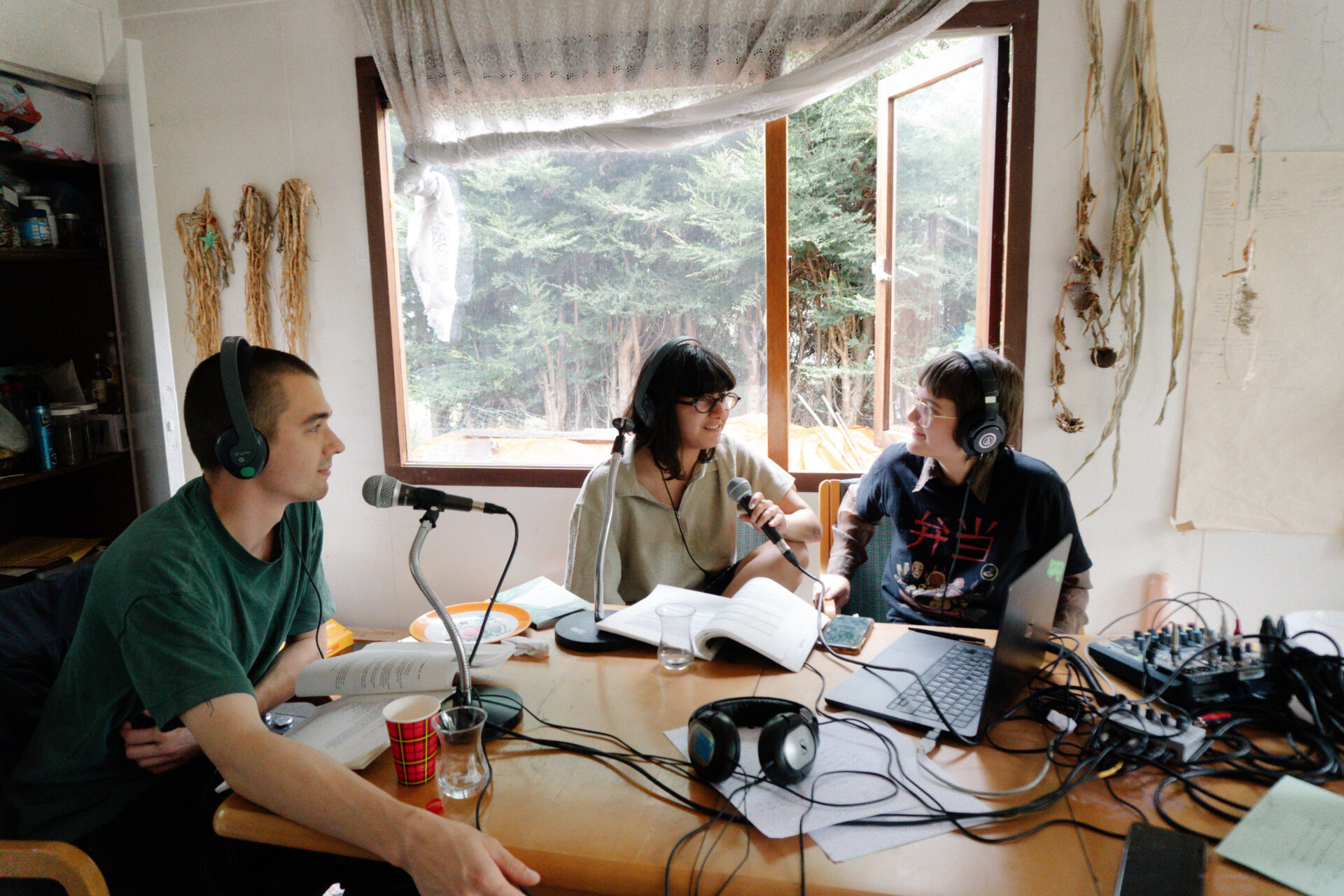
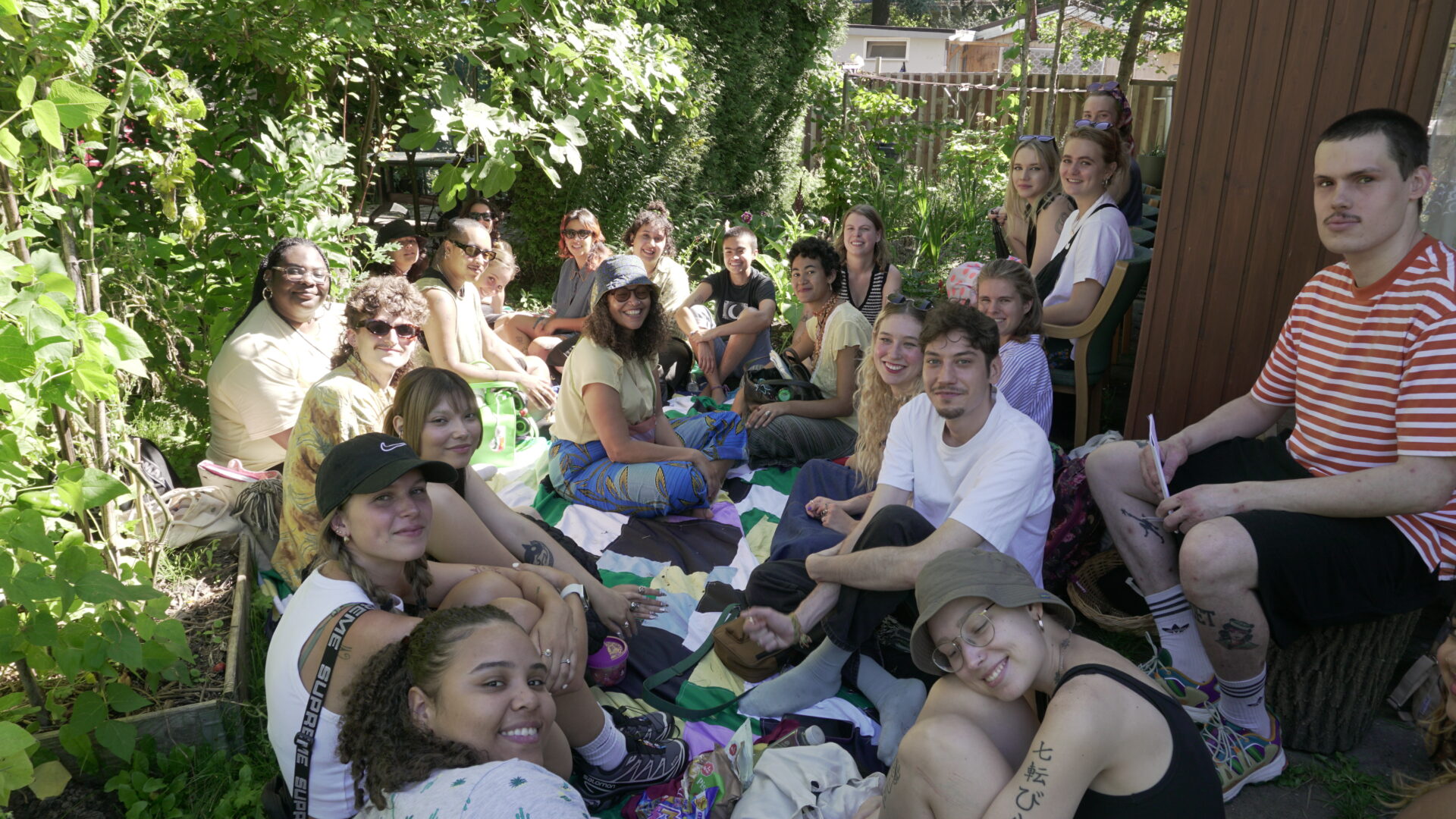
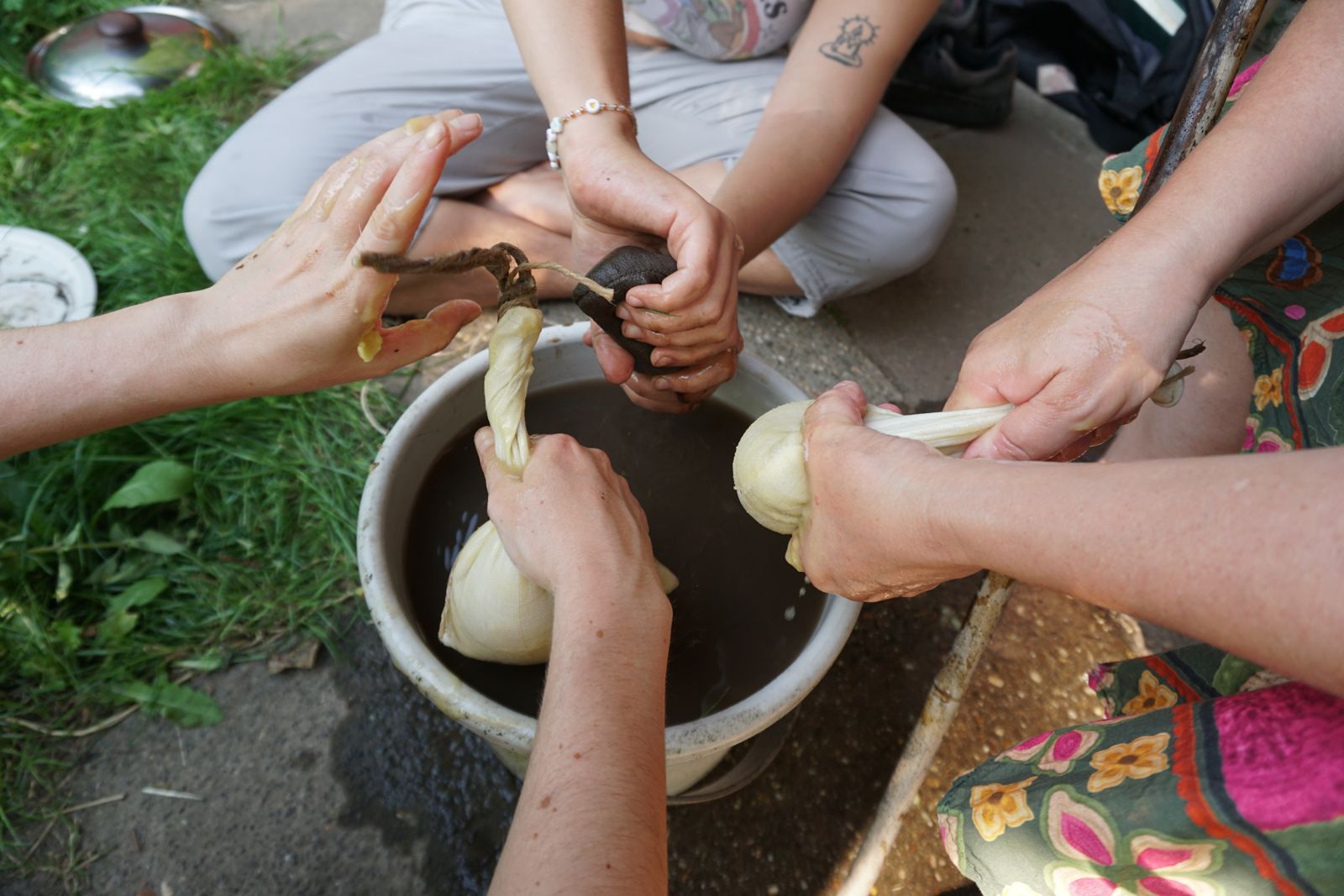
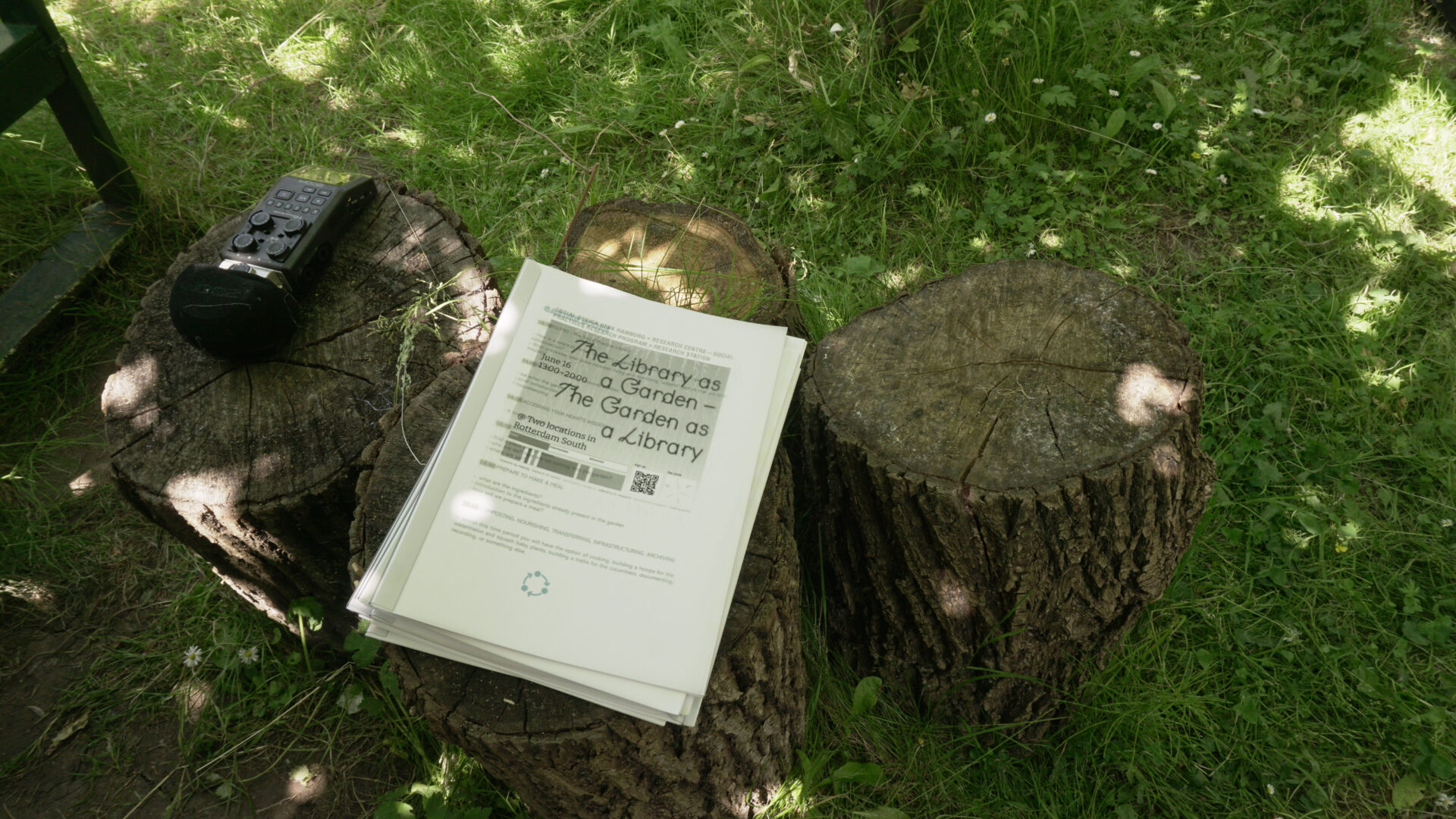
In my garden, I am cultivating two ways of working. One is around regenerative growing practices, growing healthy organic food, experimenting with permaculture, soil regeneration, agroecological, and natural farming methods as well as growing care-informed cultural practices. The second is on grief-informed work, on being attuned to death, decay, and mourning, and the ability to both name and witness loss. Unexpectedly, the garden has also become a container for grief-informed practices and for giving grief the space that it needs. Grief resonates on many levels. It is about human and personal loss, it is about ecological and systemic grief; of learning how to meet uncertainty and uncertain futures, harmful pasts, and how they continue to resonate in the present; of learning how to learn within the ruins of modernity and to hospice a dying system. As in the garden, where one is both a witness and an active participant in cycles of life as well as cycles of death, I see growing and grieving practices as interlinked, where one cannot contemplate one without the other. Since taking on the garden, I have opened it up to others, and my garden has become an alternative school, but not one with a fixed curriculum, scheduled courses, or enrolled students. Rather, it is a school for dreams and the collective imagination, care and collective learning, for listening, observing and wonder, for acknowledging the sacred in the cycles and the many living bodies who call the garden their home. Over the years, the garden has become host to workshops, collaborations, visiting classes, grief-informed circles, seasonally attuned celebrations, and other gatherings. My Learning Grounds has become an experimental space for collective learning, a place to explore, learn, and experiment with different methods and practices, together with students, artists, friends, and neighbours.
Related text: “Learning Grounds” in Promiscuous Infrastructures. Practicing Care
Related project: Learning to Grow Learning to Grieve